
LEAVES BIO
Find Freedom From Weed
THC, Delta 8, Delta 9, Hemp - What's the difference?
Cannabis plants naturally produce over 113 cannabinoids, with delta-9-tetrahydrocannabinol (THC) being one of the most well-known. Hemp is a variety of cannabis that contains 0.3% THC or less. Delta-8 THC is an isomer of delta-9 THC, typically produced through laboratory synthesis. So, what are the key differences among these cannabinoids?
What is THC?
THC, or tetrahydrocannabinol, is the primary psychoactive compound found in cannabis. It’s responsible for the “high” that many users experience. THC interacts with the body’s endocannabinoid system, specifically binding to CB1 receptors in the brain, which can influence mood, memory, pain perception, and appetite. Beyond its recreational use, THC is also studied for potential therapeutic benefits, such as pain relief and appetite stimulation.
Delta 9 is THC
Delta-9 THC is a specific form of THC and is the most well-known and prevalent cannabinoid in cannabis. It is primarily responsible for the psychoactive effects associated with marijuana. When discussing THC concentration in a product, we typically refer to delta-9 THC. Thus, delta-9 is often considered synonymous with THC in most contexts.
Delta-9 THC is available in both medicinal and recreational marijuana dispensaries. Potential medical emergencies associated with delta-9 THC can include psychosis.
Availability
Medical Emergency Likelihood
Intoxicating Effect
Overall Risk
Delta 8 is more dangerous than Delta 9
Delta-9 THC and delta-8 THC are closely related cannabinoids derived from the cannabis plant, but they have distinct chemical structures and properties. Consuming large amounts of delta-8 THC products has led to medical emergencies, including breathing difficulties.
In marijuana plants, delta-8 occurs in very small amounts. As a result, most delta-8 products are synthesized in laboratories. This synthetic process can make delta-8 potentially more dangerous than delta-9 THC, as the synthesized form may remain in the body longer, is harder to break down, and can have a more pronounced effect on cannabinoid receptors.
Delta-8 THC is often available in places like gas stations, despite not being approved by the FDA for any use.
Availability
Medical Emergency Likelihood
Intoxicating Effect
Overall Risk
Hemp plant has less than 0.3% THC
Hemp is a variety of the Cannabis sativa plant that is cultivated specifically for industrial and commercial use. Unlike marijuana, hemp contains low levels of THC (typically less than 0.3%), which means it does not produce the psychoactive effects associated with marijuana.
Although hemp is generally considered safe, many products labeled as hemp are actually concentrated forms of hemp oil, which can contain high levels of THC and other impurities.
Availability
Medical Emergency Likelihood
Intoxicating Effect
Overall Risk
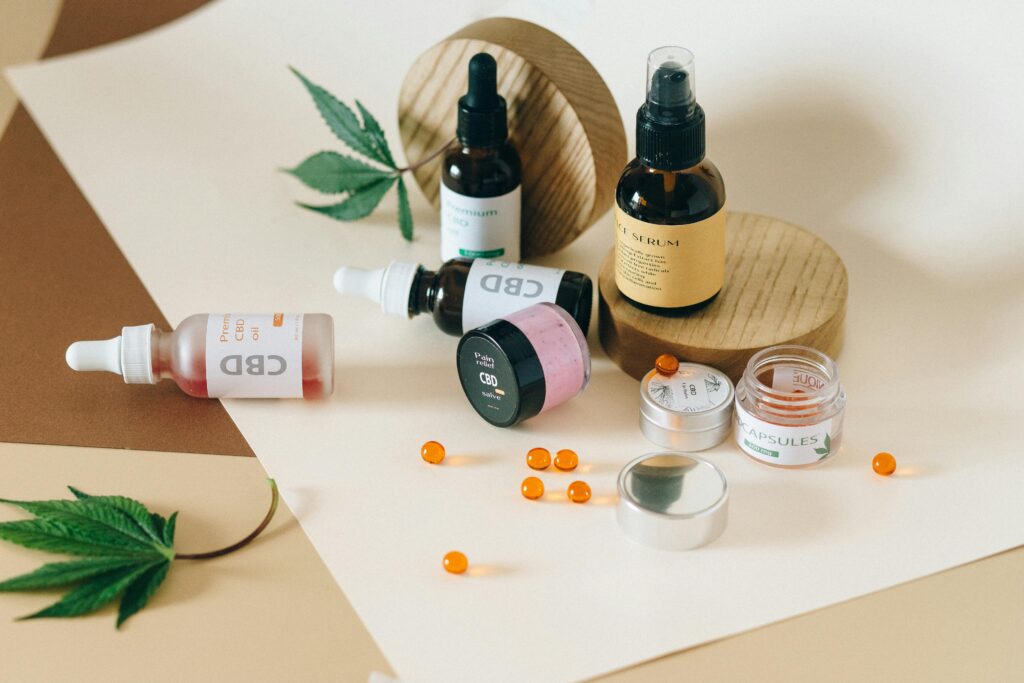
CBD is another compound found in the cannabis plant
CBD, or cannabidiol, is a non-psychoactive compound found in cannabis and hemp plants. Unlike THC, CBD does not produce a “high.” However, it may have side effects including drowsiness, decreased appetite, vomiting and diarrhea.8 Products have been found to contain different amounts of CBD than their labels show, and some products marketed as CBD have been found to contain THC.
Availability
Medical Emergency Likelihood
Intoxicating Effect
Overall Risk
Sign up to our newsletter
Stay up to date with Leaves Bio and Cannabis Use Disorder Research!
Sign up to our email newsletter to receive news on treatment options, research, meetings and events!